Treatment Overview
IPL (Intense Pulsed Light) Photofacial is a non-invasive light-based treatment that uses broad-spectrum light energy to target and correct a wide range of skin imperfections. Unlike lasers that use a single wavelength, IPL delivers multiple wavelengths of light simultaneously, allowing it to address pigmentation, redness, and vascular irregularities in a single session.
At Suncare Medical Clinic, our IPL Photofacial treatments are customized for each patient's unique skin concerns. The light energy is selectively absorbed by melanin (brown pigment) and hemoglobin (red pigment in blood vessels), effectively treating sun damage, age spots, freckles, rosacea, broken capillaries, spider veins, and uneven skin tone — all without disrupting the surrounding tissue.
Each treatment session takes just 20-30 minutes, making IPL an ideal "lunchtime procedure." A series of 3-6 treatments spaced 3-4 weeks apart is recommended for optimal results, with minimal downtime and a gradual, natural-looking improvement in skin clarity and tone.
| Duration | 20–30 minutes per session |
|---|---|
| Downtime | Minimal (slight redness 1–2 days) |
| Results | Gradual improvement; optimal after 3–6 sessions |
| Recommended Frequency | Every 3–4 weeks; maintenance 2–3 times/year |
| Skin Types | Fitzpatrick I–IV (light to medium tones) |
Who Is This Treatment For?
IPL Photofacial is ideal for individuals with light to medium skin tones who want to address visible skin irregularities without surgery or significant downtime. It is particularly beneficial for those experiencing:
Important Note: IPL is not recommended for very dark skin tones (Fitzpatrick V-VI), actively tanned skin, pregnant individuals, or those with photosensitizing conditions. A consultation with our medical team will determine your candidacy.
Key Benefits
IPL effectively reverses years of sun damage by targeting and breaking down melanin deposits, fading age spots, sunspots, and freckles for a clearer complexion.
The light energy is absorbed by hemoglobin in blood vessels, shrinking broken capillaries, spider veins, and reducing rosacea-related redness for a more even skin tone.
By addressing both pigmentation and vascular irregularities simultaneously, IPL creates a more uniform, balanced complexion across the entire treated area.
The light energy penetrates into the dermis, stimulating fibroblasts to produce new collagen. Over time, this improves skin texture, reduces fine lines, and enhances overall skin quality.
Each session takes only 20-30 minutes with minimal downtime, making IPL a true "lunchtime treatment" that fits easily into busy schedules.
IPL is a non-ablative treatment — it works beneath the skin's surface without damaging the outer layer, resulting in minimal discomfort and a quick recovery.
Technology & Mechanism
IPL Photofacial harnesses the power of broad-spectrum light to selectively target specific chromophores (light-absorbing molecules) in the skin. Understanding the science behind IPL helps explain its remarkable versatility and effectiveness:
Broad-Spectrum Light Technology
Unlike lasers that emit a single wavelength, IPL devices produce a broad spectrum of light wavelengths (typically 500-1200 nm). Cutoff filters are used to select specific wavelength ranges optimized for different skin concerns — shorter wavelengths for superficial pigmentation, longer wavelengths for deeper vascular lesions.
Selective Photothermolysis
This is the core scientific principle behind IPL. The light energy is preferentially absorbed by specific targets: melanin (the pigment in dark spots) and oxyhemoglobin (the red pigment in blood vessels). When these chromophores absorb the light, they convert it to heat, which selectively destroys the targeted cells while leaving the surrounding tissue unharmed.
Melanin Targeting
For pigmented lesions such as age spots, sunspots, and freckles, the IPL light is absorbed by excess melanin. The heat causes the pigmented cells to fragment and rise to the skin's surface, where they naturally darken, flake off, and are replaced by clearer, even-toned skin over the following 7-14 days.
Hemoglobin Targeting
For vascular concerns like rosacea, broken capillaries, and spider veins, the light energy is absorbed by hemoglobin in the abnormal blood vessels. The resulting heat causes the vessel walls to collapse and be gradually reabsorbed by the body, reducing visible redness and vascular lesions.
Treatment Procedure
Consultation & Skin Assessment
Your provider evaluates your skin type, identifies specific concerns, reviews your medical history, and determines the appropriate IPL settings and wavelength filters for your treatment.
Skin Preparation
The treatment area is thoroughly cleansed and a cool, clear ultrasound gel is applied to the skin. This gel helps conduct the light energy evenly and keeps the skin cool during treatment.
IPL Light Delivery
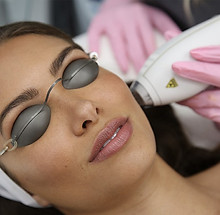
The IPL handpiece is placed against the skin and pulses of broad-spectrum light are delivered across the treatment area. You may feel a mild snapping sensation with each pulse. Protective eyewear is worn throughout.
Targeted Pass Adjustments
Your provider may adjust the wavelength filters, energy level, and pulse duration during the session to target different concerns — for example, switching settings between pigmented spots and vascular areas.
Cooling & Soothing
After treatment, the gel is removed and a soothing, cooling agent is applied to calm the skin. Any immediate redness typically resembles a mild sunburn and subsides within hours.
Post-Treatment Protection
A broad-spectrum sunscreen (SPF 30+) is applied to protect the treated skin. Your provider reviews aftercare instructions and schedules your next session for continued improvement.
Results Timeline
| Timeline | Expected Results |
|---|---|
| Immediately After | Slight redness (like mild sunburn); dark spots may appear slightly darker |
| 3–7 Days | Darkened pigmented spots begin to flake and peel off naturally |
| 7–14 Days | Noticeable improvement in skin clarity; spots fade, redness reduces |
| After 3–4 Sessions | Significant reduction in pigmentation, redness, and vascular lesions; more even tone |
| After 5–6 Sessions | Optimal results with improved texture, collagen renewal, and sustained clarity |
| Ongoing Maintenance | 2–3 sessions per year to maintain results and prevent new sun damage |
Safety & FDA Clearance
IPL (Intense Pulsed Light) devices used at Suncare Medical Clinic are FDA-cleared for the treatment of benign pigmented and vascular lesions, including sun damage, age spots, rosacea, and broken capillaries. IPL technology has been used safely in dermatology and medical aesthetics for over two decades with a well-established safety profile.
All IPL treatments at our clinic are performed by licensed, trained professionals under the supervision of our medical director. A thorough consultation and skin analysis are conducted before each treatment to ensure the procedure is safe and appropriate for your individual skin type and concerns. Specific settings are customized for each patient to maximize efficacy while minimizing risk.
Disclaimer: Results may vary from person to person. IPL is not suitable for all skin types — individuals with very dark skin tones or active tans may not be candidates. The information provided is for educational purposes only and does not constitute medical advice. A consultation with our licensed providers is required before treatment. Individual results are not guaranteed.
Post-Treatment Care
Apply broad-spectrum SPF 30+ sunscreen every 2 hours when outdoors. Avoid direct sun exposure for at least 2 weeks post-treatment. Sun protection is critical to prevent hyperpigmentation and protect treated skin.
Skip hot showers, saunas, steam rooms, and strenuous exercise for 24-48 hours. Avoid retinoids, AHAs, BHAs, and exfoliating products for 5-7 days post-treatment to prevent irritation.
Dark spots will naturally darken and flake off within 7-14 days. Do not pick, scratch, or exfoliate the darkened areas — let them shed naturally for the best results and to prevent scarring.
Keep your skin hydrated with a gentle, fragrance-free moisturizer. Use a mild cleanser and avoid any harsh or abrasive skincare products during the healing period.
Frequently Asked Questions
IPL Photofacial effectively treats a wide range of skin concerns including sun damage, age spots (solar lentigines), freckles, melasma, rosacea, facial redness, broken capillaries, spider veins, uneven skin tone, and mild acne scarring. The broad-spectrum light targets both melanin (pigment) and hemoglobin (blood vessels), making it uniquely versatile for addressing multiple concerns in a single treatment session.
Most patients achieve optimal results with a series of 3-6 treatments spaced 3-4 weeks apart. Some improvement — particularly in pigmented spots — is often visible after the very first session, as treated spots darken and naturally flake off within 1-2 weeks. However, cumulative treatments deliver the most significant, even, and lasting correction. Your provider will recommend the ideal number of sessions based on your specific concerns and skin condition.
Most patients describe the sensation during IPL as a mild snapping or warm prickling feeling, similar to a rubber band lightly snapping against the skin. The discomfort is brief and well-tolerated. Our IPL devices feature integrated cooling systems that cool the skin before and after each pulse, significantly improving comfort. No anesthesia or numbing cream is typically required, though it can be applied for sensitive areas upon request.
IPL has minimal downtime. Immediately after treatment, you may experience slight redness and warmth, similar to a mild sunburn, which typically resolves within a few hours to 1-2 days. Pigmented spots will often darken temporarily — this is a normal and expected part of the healing process. These darkened spots will naturally flake off within 7-14 days, revealing clearer skin underneath. Most patients return to their normal activities, including wearing makeup, the next day.
IPL works best and most safely on lighter to medium skin tones — Fitzpatrick skin types I through IV. It is generally not recommended for individuals with very dark skin tones (Fitzpatrick V-VI) because the higher concentration of melanin in darker skin can absorb too much light energy, potentially leading to burns or hyperpigmentation. Additionally, patients with active tans, recent sun exposure, or those using photosensitizing medications should wait before treatment. A thorough in-person consultation with our providers will determine whether IPL is the right treatment for your skin type.
Yes, IPL pairs beautifully with many complementary treatments for enhanced results. Popular combinations include IPL with HydraFacial for deep cleansing and pigment correction, IPL with Morpheus8 for combined tone and texture improvement, and IPL followed by medical-grade skincare regimens for maintenance. Some patients also combine IPL with chemical peels or microneedling in a staged treatment plan. Your provider will recommend the optimal combination and appropriate spacing between procedures for your specific goals.
While both IPL and lasers use light energy, the key difference is that lasers emit a single, focused wavelength of light, whereas IPL delivers a broad spectrum of wavelengths. This makes IPL more versatile for treating multiple concerns (both pigmentation and vascular issues) in one session, while lasers are typically more targeted for specific conditions. IPL is generally gentler with less downtime, making it an excellent option for overall skin rejuvenation. Your provider can recommend which approach is best suited for your individual needs.